Mangrove ecosystems are among the most valuable natural assets for climate regulation, biodiversity and coastal protection.
In Indonesia, protected mangrove areas offer a unique opportunity to safeguard these benefits while increasing awareness of their ecological and climate value.
As an international agricultural company, Prestige Leaf recognizes the importance of supporting nature-based solutions and promoting responsible stewardship of forest ecosystems.
This created an opportunity to contribute positively by advancing conservation efforts and engaging stakeholders in meaningful environmental action.
Prestige aimed to support conservation efforts within a protected mangrove area while raising awareness of the critical role these ecosystems play in climate resilience and biodiversity.
The initiative was designed to improve ecosystem stability while fostering stakeholder engagement through direct, hands-on participation and collaboration with a credible local partner.
To implement the initiative, Prestige partnered with the environmental NGO Kreasi Pemuda Tanpa Batas, ensuring alignment with local conservation priorities and expertise.
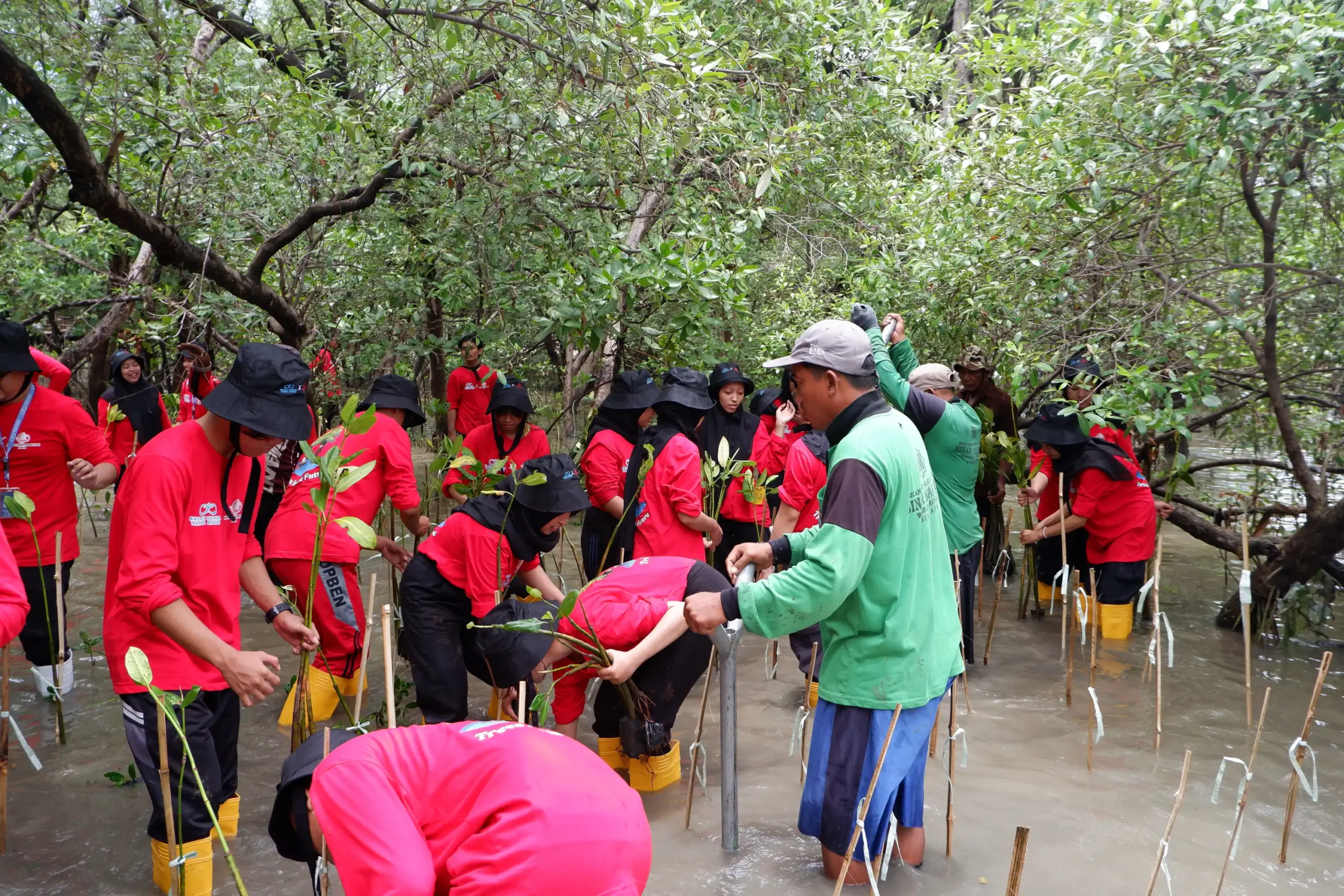
The project was carried out in a protected coastal area Taman Mangrove Wonorejo in Surabaya, Indonesia, where 30 volunteers from Kreasi Pemuda Tanpa Batas and 10 team members from Prestige Leaf participated in a structured mangrove planting activity.
The initiative combined practical restoration efforts with awareness-building, highlighting the importance of mangroves in supporting biodiversity, protecting coastlines and contributing to climate mitigation through nature-based solutions.
The initiative contributed to the resilience and long-term viability of a protected mangrove ecosystem, supporting its ecological functions and coastal protection role.
A total of 1,000 mangroves were planted, contributing to habitat development and natural shoreline stabilization.
Beyond supporting habitat for fish, crustaceans, birds and other coastal wildlife, and contributing to shoreline stability and natural protection against storm surges and erosion, these mangroves are expected to sequester approximately 10 to 15 tonnes of CO₂ equivalent per year, supporting climate mitigation efforts.
In addition, the project increased stakeholder awareness and engagement, demonstrating the value of collaborative, nature-based action in delivering measurable environmental impact.